Knowledge gap is increasing and quality of news is eroding because of the market model that is underlying most American news outlets, and skepticism of media coverage is at an all time high. Because media outlets are feeding the public information that the media thinks the audience wants to hear, we are being bombarded with “dumb news” instead of being presented with an honest dialogue about events political and otherwise. In a time when media outlets are concerned with ratings over honest coverage of events, political polarization is extremely high, and entertainment news is valued over real media coverage, the knowledge gap amongst politically minded individuals and the opposite of them is increasing, and there is a lack of clarity and realness in political news for those who are actively paying attention. We are living in an era of intense division and misinformation, and the majority is increasingly concerned about this matter, including myself. As an individual who is not very active in resourcing news coverage or electoral patterns, I can say that it is daunting to know that if I would like to have a full and accurate scope on electoral candidates and national events, I am going to be forced to seek out information from several (emphasis on several) platforms in order to have the slightest idea of the truth, and I still may not. Even though I am interested in learning more, the fact that I know I am presented with biased information and I do not have a good bases for analyzing the “facts” presented to me also leaves me and a large portion of the population feeling quite a lack of confidence in attempting to engage more in this arena.
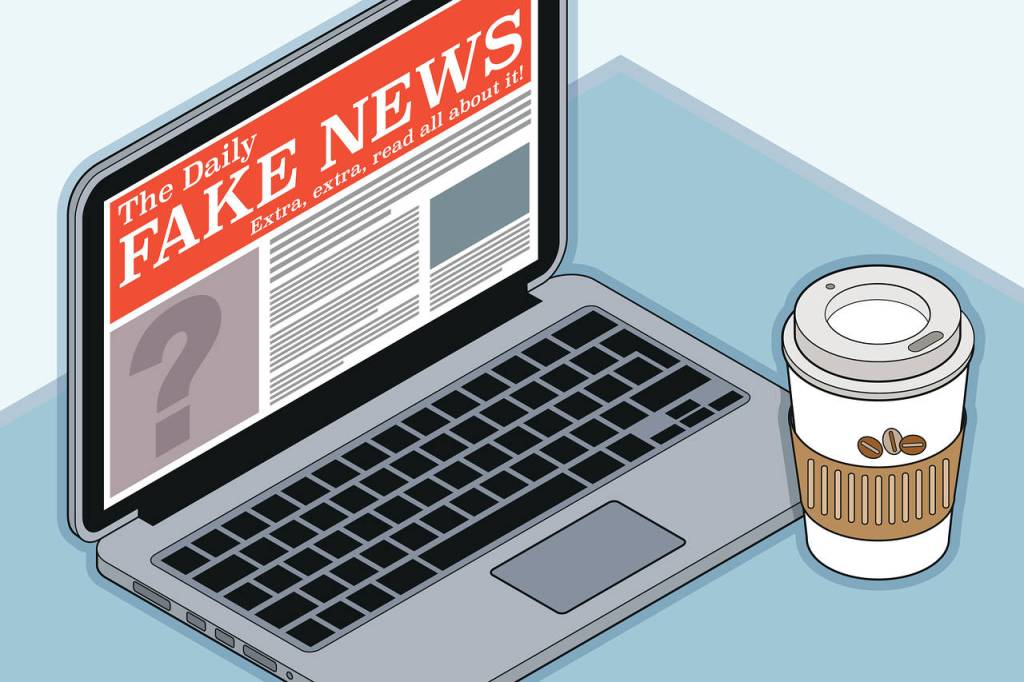
To expand on concerns regarding knowledge gap within the public, I would like to talk about new media and selective exposure. On top of mainstream news outlets only providing a biased and not at all well-rounded standpoint for what is happening in the political arena and in daily national news coverage, we are also faced with the new-age dilemma of individuals not experiencing any form of what is referred to as “Byproduct learning,” which is what used to happen when there were only a few options of media in the pre-cable era and people would pick up on news stories simply because it was what was on in the background. Today, if you are either not interested in politics, or like me intimidated to get more involved, you have the option of flipping to another station or platform that is entertainment based. We can simply remove ourselves entirely, which leads to an even greater knowledge gap in our society.
My interpretation of this umbrella of information is that honest media is hard to come by, and most media outlets and news stations today focus on attention grabbing headlines and stories. We are either being misinformed, guided towards extremist and polarizing values, or simply avoiding news media coverage altogether. This could eventually lead to the decay of American democracy as media coverage continues to become exponentially vapid and intentionally deceptive and continues to empower the various cults of personalities leading to increases in political polarization.
Philip M. Napoli, Sarah Stonbely, Kathleen McCollough & Bryce Renninger
(2017) Local Journalism and the Information Needs of Local Communities, Journalism Practice,
11:4, 373-395, DOI: 10.1080/17512786.2016.1146625
Humanes, Maria Luisa. In: Media and Communication. June, 2019, Vol. 7 Issue 3, p1, 3 p.; Cogitatio Press Language: English, Database: Gale In Context: Opposing Viewpoints
 New Media Civil Society